のがじょうず (no ga jouzu) Meaning Japanese Grammar - Be Good At

Anna Baffa Volpe
Get in touch with meAnna Baffa Volpe
The expression のがじょうず (no ga jouzu) means to be good at doing something.
Its antonym is のがへた which we use to say be bad at, be unskillful.
In this post we learn more about the meaning of のがじょうず, how it is formed and when のがじょうず is used through real example sentences.
Expressing ability through the noun
Let's start with the basic and short form that expresses skill in some field or in our daily activities.
It consists of:
彼は野球が上手だ。
He is good at baseball.
が上手 with the Verb する
Many expressions and verbs of common use are formed by: a Noun + the verb する do.
- 料理する
cook - スポーツする
play sports - 電話する
telephone
The verb する is omitted and only the noun is used.
料理が上手だ。
Be good at cooking.
We find the same form with various other adjectives:
- が下手だ the antonym of 上手だ:
not being good at something - が好きだ to indicate what we
like - が嫌いだ to express what we
dislike, wehate - が苦手だ to represent our
weak points

日本語がお上手ですね。
You can speak Japanese very well!
You're really good at Japanese!
Expressing ability through the verb
のが上手 is used when we want to express ability in a certain field or as we have anticipated in actions of our daily life.
彼女は踊るのが上手だ。
She is good at dancing.
How to form のが上手
In the structure we are analysing in this post we find the な Adjective: 上手な meaning skillful, proficient, good at.
We have seen by studying adjectives the attributive function in which the adjective precedes the noun and maintains the syllabe な.
上手な学生
A skilled student
In the predicative function the adjective loses the particle な and is followed by the copula だ
彼は上手だ。
He is skillful.
The form のが上手 consists of:
- the verb in its plain form
- the particle の that nominalises, transforms the predicate into a noun
- the particle が which indicates the subject
- the adjective 上手な
彼女はシャンソンを歌うのが上手だ。
She is a good chanson singer.
The structure のが上手 can be followed:
- by the copula だ:
I am good at - by になる:
become good at,improve - by a noun: のが上手な + noun
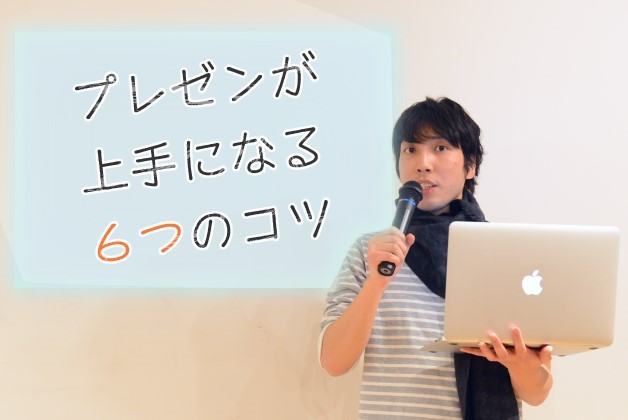
プレゼンが上手になる6つのコツ。
Six tips to make a good presentation.
上手 and 上手い
上手 is also read 上手い and becomes an い Adjective. うまい means good, skillful and also delicious, tasty referring to food and drinks. From a blog on the Internet, the title shows the two readings: じょうず and うまい.

子育てが上手になるには?子育てが上手い人の特徴「3つの法則」
How to become a good parent? Characteristics of people who are good at raising children: Three rules
- sentence 上手になる:
becoming good at - 上手い人 a skillful person: usage of な Adjective + noun
0:00.00
-1:0-1.00
歌が上手くなりたい。
I want to become good at singing songs.
Adverbial use:
- 上手になる
become good: with な Adjectives the adverb is formed with the particle に - 上手くなる
become good: with い Adjectives, the adverb is obtained by removing the vowel い and adding く + verb
上手 and 得意
上手 is not used in the first person or referring to uchi, the sphere of family members and intimate persons. When we want to say that we or a member of our family is skilled at something we use 得意 tokui.
母は料理が得意です。
My mum is good at cooking.
得意 can also be used when talking about other people.
彼は数学が得意です。
He is good at Mathematics.
あきら
あき子さん、料理が上手だね。
Akiko, you're good at cooking!
あき子
ありがとう。私、料理は得意なの。
Thank you, I'm good at it.
Examples of のがじょうず
褒めるのが上手!
You are good at praising!
ピアノを弾く: play piano

ピアノが上手な人の特徴は?共通するヒント3選
What are the characteristics of a good piano player? 3 common tips
山田さんはテニスが上手です。
Mr. Yamada is good at tennis.
Similar grammar points in Japanese 📚
から
から (kara) Meaning Japanese Grammar - Because
だけ
だけ (dake) Meaning Japanese Grammar - Only
たりする
たりする (tari suru) Meaning Japanese Grammar - Do Such Things as A, B Etc
ちがう
ちがう (chigau) Meaning Japanese Grammar - No
まだ
まだ (mada) Meaning Japanese Grammar - Still
ないでください
ないでください (naide kudasai) Meaning Japanese Grammar - Please Do Not Do