まま (mama) Meaning Japanese Grammar - As It Is

Anna Baffa Volpe
Get in touch with meAnna Baffa Volpe
The term まま (mama) means as it is and refers to the current state of things, without changing.
It is used to express something as it is and also a lack of change.
In this post we learn more about the meaning of まま and ままに, how they are formed, and when they are used through real example sentences.
How まま is formed
まま is a suffix and you can find combined with verbs, nouns or adjectives as follows:
In the case of the verb, it is generally used the past form. まま has its own kanji 儘, but it is more common the writing in katakana.
私はいつまでも若いままでいたいです。
I want to stay young forever.
鉄はまだ熱いままです。
The iron is still hot.
How ad when まま is used
まま refers to things that remain in a state, that keep the same and leave unchanged.
Demonstrative adjective with まま
A very common use of this term is in combination of the so-called kosoado series: the Japanese demonstrative adjectives and pronouns.
- このまま
kono mamalike this - そのまま
sono mamajust like that, that way - あのまま
ano mamajust like that, that way
電話を切らずにそのまま待ってください。
Please wait without hanging up the phone.
このまままっすぐ進んでください。
Go straight ahead.
The demonstrative is often obmitted in the translation that would be: Go straight ahead this way.
諦めるな!このまま勉強すれば,最後には成功するでしょう。
Don't give up! If you keep studying like this, you will succeed in the end.
これをこのまま使っていいですか?
Can I use this as is?
ままに
あのままにしておいた.
I left it as it was.
We can find the term まま followed by the particle に that turns the noun into an adverb.
ままに is synonym of 〜とおりに or 〜にしたがって that means according to...
赤ん坊は本能のままに行動する。
Babies act on instinct.
私はあなたの意のままになります。
I will be at your will.
From the Internet
生のまま nama no mama: 生 is a noun in Japanese meaning raw, uncooked, fresh and it is followed by the particle の
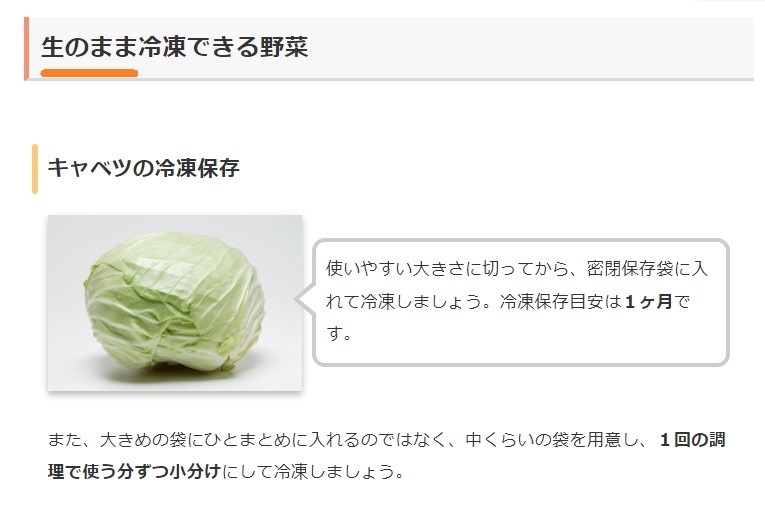
生のまま冷凍できる野菜と冷凍できない野菜
Vegetables that can be frozen raw and vegetables that cannot be frozen
Examples with まま and ままに
この美術館は5年間も閉鎖されたままだ。
The museum has been closed for five years.
The meaning of the sentence is that the Museum is still closed today.
口に物入れたまましゃべるんじゃないよ!
Don't talk with your mouth full!
昔のままのお城
An old castle, the castle as it used to be
気の向くままに描きたいもの描く。
I draw what I feel like drawing.
In this sentence it has been used the verb in the present tense and ままに* in the meaning of according to...
気が向く or 気の向く is an expression that uses the word and concept 気 ki (energy, nature, mood, disposition) and means: to feel like; to feel inclined to do, as I please to.
人々は心のままに生きようとしなくなった。
People no longer want to live according to their hearts.
Similar grammar points in Japanese 📚
~ていく
~ていく (teiku) Meaning Japanese Grammar - Keep Doing
てよかった
てよかった (te yokatta) Meaning Japanese Grammar - I'm Glad That...
それでもいい
それでもいい (soredemoii) Meaning Japanese Grammar - It's Fine
それでも
それでも (sore demo) Meaning Japanese Grammar - Still
させられる・せられる
させられる・せられる (saserareru serareru) Meaning Japanese Grammar - To Be Made To Do Something
ないで
ないで (naide) Meaning Japanese Grammar - Without Doing