必要がある (hitsuyou ga aru) Meaning Japanese Grammar - Need

Anna Baffa Volpe
Get in touch with meAnna Baffa Volpe
The expression 必要がある (hitsuyou ga aru) means to be necessary, need.
The expression as we can deduce from the translation is used to express the need or necessity to do something.
Its negative form is 必要がない and expresses its opposite: don't need to do, no necessity to.
In this post we learn more about the meaning of 必要がある, how it is formed and when 必要がある is used through real example sentences.
How 必要がある is formed
必要がある is formed:
- by the noun 必要
need,necessity - by the particle が representing the subject
- by the existence verb ある that means
be,exist
⇨ there is a need; it is necessary
The structure is quite simple and uses only the plain form of the verb in the present tense.
あなたの車はよく洗浄する必要があるね。
Your car needs a good wash!
銀行に電話をかける必要がある。
I need to call the bank.
あなたはすぐにそこに行く必要がある。
You must go there immediately.
必要がある to express needs and necessities
This expression translates the verbs need, be necessary and depending on the sentence and context can also express the nuance with the verb have to.
若いときに多くのことを学ぶ必要がある。
You have to learn a lot when you are young.
なぜそんな本を読む必要があるのですか。
Why do you need to read such a book?
必要があった for past needs
The same expression is also used in the past tense through the past of the verb ある: あった.
彼と相談する必要があった。
It was necessary to consult him.
必要がない: No need to
The negative form uses ない, the negative auxiliary of ある and なかった for the past tense.
The particle が is often omitted in the negative or replaced by は.
必要がない: as we can see, the negative form is applied to the same expression and not to the verb that precedes it.
急ぐ必要がない。
There is no need to hurry.
あなたはそれを知る必要がない。
You don't need to know that.
あなたは明日早く起きる必要がない。
You don't have to get up early tomorrow.
必要だ it's necessary
必要 creates another form preceded by the particle が and followed by the copula だ in the plain form and です in the polite form.
もっと情報が必要だ。
I need more informations.
この料理には堅いトマトがいくつか必要だ。
For this dish you need hard tomatoes.
We can find the particle は instead of が.
本当に減量は必要?
Do you really need to lose weight?
This sentence is part of the title of an article dealing with health 健康 and the final verb is omitted: [必要ですか].
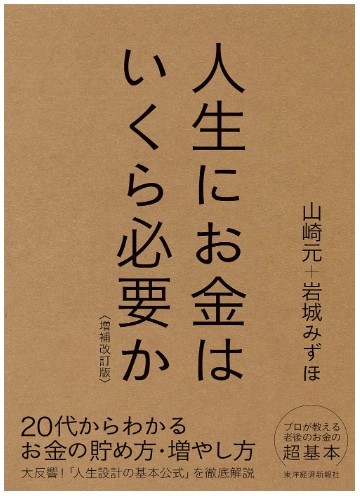
人生にお金はいくら必要か。
How much money do we need to live?
A funny advertisement from the net dealing with "money":
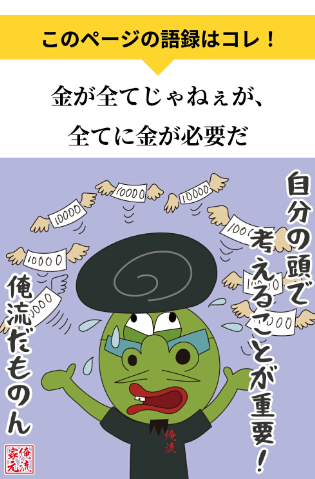
お金が全てじゃねえが、全てにお金が必要だ。
Money isn't everything, but everything requires money.
We find in this sentence an expression used a lot in colloquial and confidential terms: じゃねえ instead of じゃない the negative form of the copula だ.
Literally: money is needed for everything.
Examples of 必要がある
私の家は新しく塗りなおす必要がある。
My house needs a new paint job.
このタイヤは空気を入れる必要がある。
These tyres need to be inflated.
この問題は全体として考える必要がある。
The issue needs to be considered as a whole.
Similar grammar points in Japanese 📚
~ていく
~ていく (teiku) Meaning Japanese Grammar - Keep Doing
てよかった
てよかった (te yokatta) Meaning Japanese Grammar - I'm Glad That...
それでもいい
それでもいい (soredemoii) Meaning Japanese Grammar - It's Fine
それでも
それでも (sore demo) Meaning Japanese Grammar - Still
させられる・せられる
させられる・せられる (saserareru serareru) Meaning Japanese Grammar - To Be Made To Do Something
ないで
ないで (naide) Meaning Japanese Grammar - Without Doing