
The expression どうして (dō shite) means how?, in what way?, why? and what?.
どうして is used in questions to ask for clarification or information about a certain situation. どうして is one of the translations of the word why in Japanese.
In this post we learn more about the meaning of どうして, how it is formed, and when どうして is used through real example sentences.
How どうして is formed
This is an expression composed of:
- どう which is the interrogative adverb of the kosoado series and means
how?,In what way? - して is the verb
to doin the te form (て):doing what?
Synonym for どうして is どうやって with the verb やる, which like する means to do
How and when to use どうして
どうして is used to ask for the reasons, the motivations referred to an action, a fact, a situation.
どうして来なかったの?
Why didn't you come?
どうして家を出る決心をしたのですか。
Why did you decide to leave home?
It is also used to ask the way, the manner in which an action is performed.
どうして彼を知るようになったのですか。
How did you know him?
Can express doubts and perplexities on causes and related to a fact.
どうしてそんなにのろいのか。
Why are they so slow?
⇨ I wonder (annoyed) why they are so slow.
In situations where there is strong resistance and rejection towards something.
これがどうして黙っていられよう!
How can I keep quiet about this!
どうして also emphasizes a feeling or emotion towards a situation or circumstance.
どうして、大層な人出でした。
There was a great turnout.
どうしても - Absolutely, anyway
どうして combined with the particle も forms an adverb widely used in the language and means at any cost, by any means, in any way.
どうしても with the verb in the affirmative form
どうしても is often followed by the volitional form expressed by the suffix たい.
彼はどうしてもその大学に入りたいと思っている。
He wants to enter that university at any cost.
どうしてもその試合には勝ちたかった。
I really wanted to win the match.
どうしても余ってしまう。
There'll be some left over anyway.
どうしても with the verb in the negative form
Another meaning of どうしても is despite everything, in no way and is used with verbs in negative form.
どうしても見つからなかった。
I just couldn't find it.
⇨ In spite of all my efforts, despite having searched for it so much, I did not find it.

どうしても許せない人がいるときに読む本。
A book to read when you just can't forgive someone.
Other examples of どうして
どうして留学しようと思ったんですか。
Why did you decide to study abroad?
どうしていつも遅れて来るのよ?
Why are you always late?
彼女がどうして僕を無視したのか分からない。
I don't understand why she ignored me.
「どうしてそれを教えてくれなかったの?」
Why didn't you tell me?
The verb in this sentence is 教える which means to teach, to instruct. Among its various meanings there is also the one of to say ,to refer, to inform.
A common word in sentences containing どうして is 疑問: doubt, uncertainty, questioning.
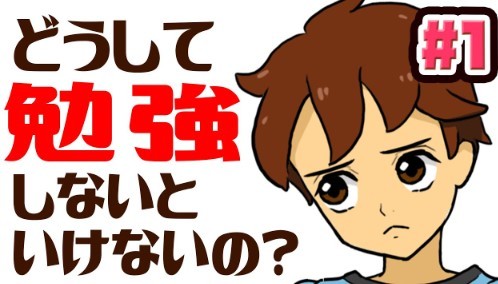
どうして勉強しないといけないの?
Why do I have to study?
Similar grammar points in Japanese 📚
~ていく
~ていく (teiku) Meaning Japanese Grammar - Keep Doing
てよかった
てよかった (te yokatta) Meaning Japanese Grammar - I'm Glad That...
それでもいい
それでもいい (soredemoii) Meaning Japanese Grammar - It's Fine
それでも
それでも (sore demo) Meaning Japanese Grammar - Still
させられる・せられる
させられる・せられる (saserareru serareru) Meaning Japanese Grammar - To Be Made To Do Something
ないで
ないで (naide) Meaning Japanese Grammar - Without Doing