ばよかった (ba yokatta) Meaning Japanese Grammar - Should Have

Anna Baffa Volpe
Get in touch with meAnna Baffa Volpe
The expression ばよかった (ba yokatta) means should have done, it would have been better to.
We use the conditional form of the verb and the adjective 良い, fine, good in the past form.
In this post we learn more about the meaning of ばよかった, how it is formed and when ばよかった is used through real example sentences.
How ば良かった is formed
ば良かった is formed
- by the conditional form of the verb expressed by the suffixes ば and れば
- by the adjective 良い, an い Adjective meaning
good,fine,excellentin the past form
⇨ If I had done it, it would have been better
⇨ I should have done that thing; It would have been better to do that
With the Ichidan Verbs the verb base is obtained by removing the syllable る and adding the suffix れば for the conditional form.
決める decide
⇨ If you had decided, it would have been better
⇨ You should have decided
WIth the Godan Verbs we use the B4 or Base in "e " combined with the suffix ば.
聞く listen, ask
⇨ You should have asked
Irregular verbs する and 来る
With the irregular verbs する to do and 来る to come the form becomes:
- すれば良かった
should have done - 来れば良かった
should have come
For the conditional of the verb 来る:
くれば is the basic form of the standard language 標準語 hyōjungo, but it is also common the form これば of dialectal origin.
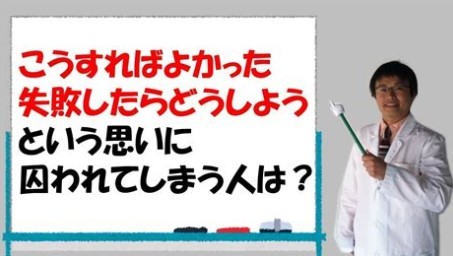
「こうすればよかった」「失敗したらどうしよう」という思いに囚われてしまう人は?
What about people who are caught up in the thoughts: I should have done it this way and What can I do if I fail?
ば良かった expressing regret
A short Japanese sentence explaining ば良かった: 後悔している気持ちを表します。
後悔している気持ちを表します。
It expresses feelings of regret.
ば良かった expresses feelings of regret and repentance for something we could have done or should have done, for a decision we should have made in the past.
We find here the hypothetical phrase using the conjunction if and the conditional phrase.
昨日、早く帰れば良かった。
I should have come home early yesterday.
⇨ If I had come home early yesterday, it would have been better.
Other short phrases to explain the expression: した方が良かったのにしなかった。
⇨ I should have done it, but I didn't.
するべきだった。
⇨ I should have done it.
A comment on a Video about travels 旅行 and picturesque sceneries 絶景
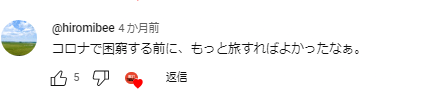
コロナで困窮する前に、もっと旅すればよかったなぁ。
I wish I had travelled more before struggling with the coronavirus.
I should not have
The form ば良かった is also used in the negative with the meaning of should not have done.
With the Ichidan Verbs: we add to the verb base the suffix of the negative conditional なければ.
出かける: get out
出かけなければ良かった。
I should not have gone out.
With the Godan Verbs we use the Negative base: B1 or Base in あ and the suffix なければ.
中古のコンピューターを買わなければ良かった。
I should never have bought a second-hand computer.
〜ば良かった and 〜たら良かった
ば良かった is replaced by the other conditional form expressed by たら: たら良かった.
朝ご飯を食べてきたら良かった。
I should have eaten breakfast.
Title of a manga:

天使だったらよかった。
I wish I were an angel.
We find the conditional form だったら of the copula だ. From a manga:
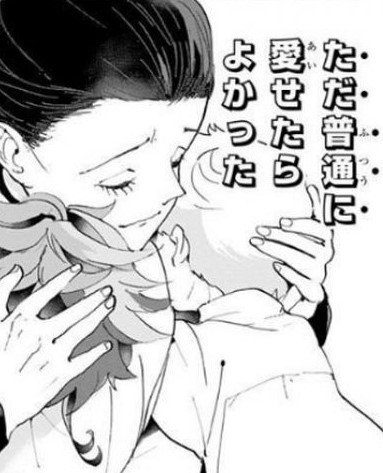
ただ普通に愛せたら良かった。
I just wish I could have loved him normally.
From a video on how to organise spaces within the home:
0:00.00
-1:0-1.00
こういう風に工夫すればもっと住みやすかったなという話をですね、今日はしていこうかなと思います。
Today, I would like to talk about how it would have been more comfortable to live if we had planned spaces like this.
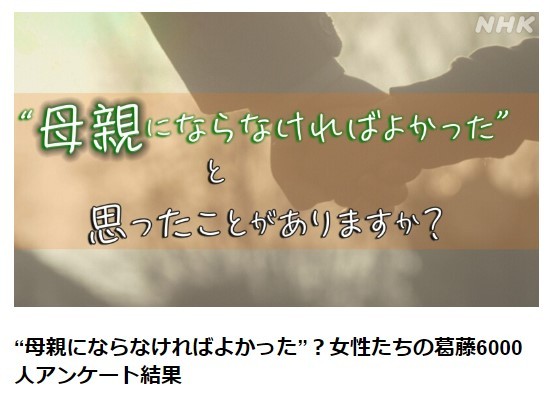
“母親にならなければよかった”?女性たちの葛藤6000人アンケート結果
“Shouldn't I have become a mother?” Women's conflicts, results of the survey of 6000 women
The sentence in the picture:
母親にならなければよかったと思ったことがありますか?
Have you ever wished you had never become a mother?
Examples of ば良かった
学生のときに、もっと数学を勉強しておけばよかった。
I should have studied more mathematics when I was a student.
A commonly used form in Japanese: ておく.
て form of the verb + おく to express an action that takes place beforehand, in advance to facilitate future developments.
In the case of the sentence: I should have studied mathematics when I was a student and I would have benefited today.

あの時ああ言ってやればよかった。
I should have said that at the time.
Similar grammar points in Japanese 📚
申し訳ございません
申し訳ございません (moshi wake gozaimasen) Meaning Japanese Grammar - I Apologize
わけがある
わけがある (wake ga aru) Meaning Japanese Grammar - There Is a Reason If
わけがない
わけがない (wake ga nai) Meaning Japanese Grammar - There Is No Reason That
わけではない
わけではない (wake dewa nai) Meaning Japanese Grammar - Does Not Mean That
わけだ
わけだ (wake da) Meaning Japanese Grammar - That's Why...
わけが分からない
わけが分からない (wake ga wakaranai) Meaning Japanese Grammar - Absurd